About the Temple
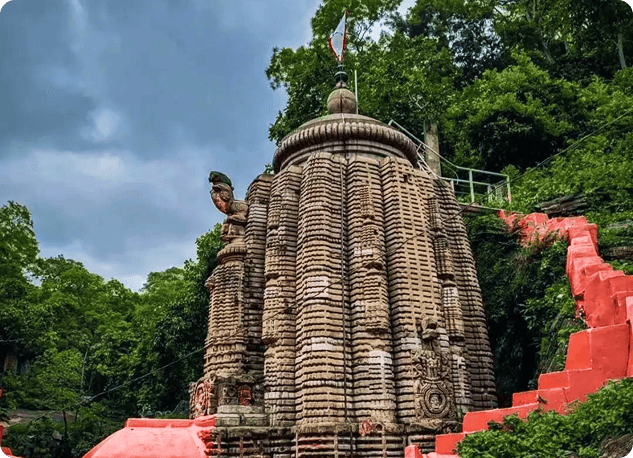
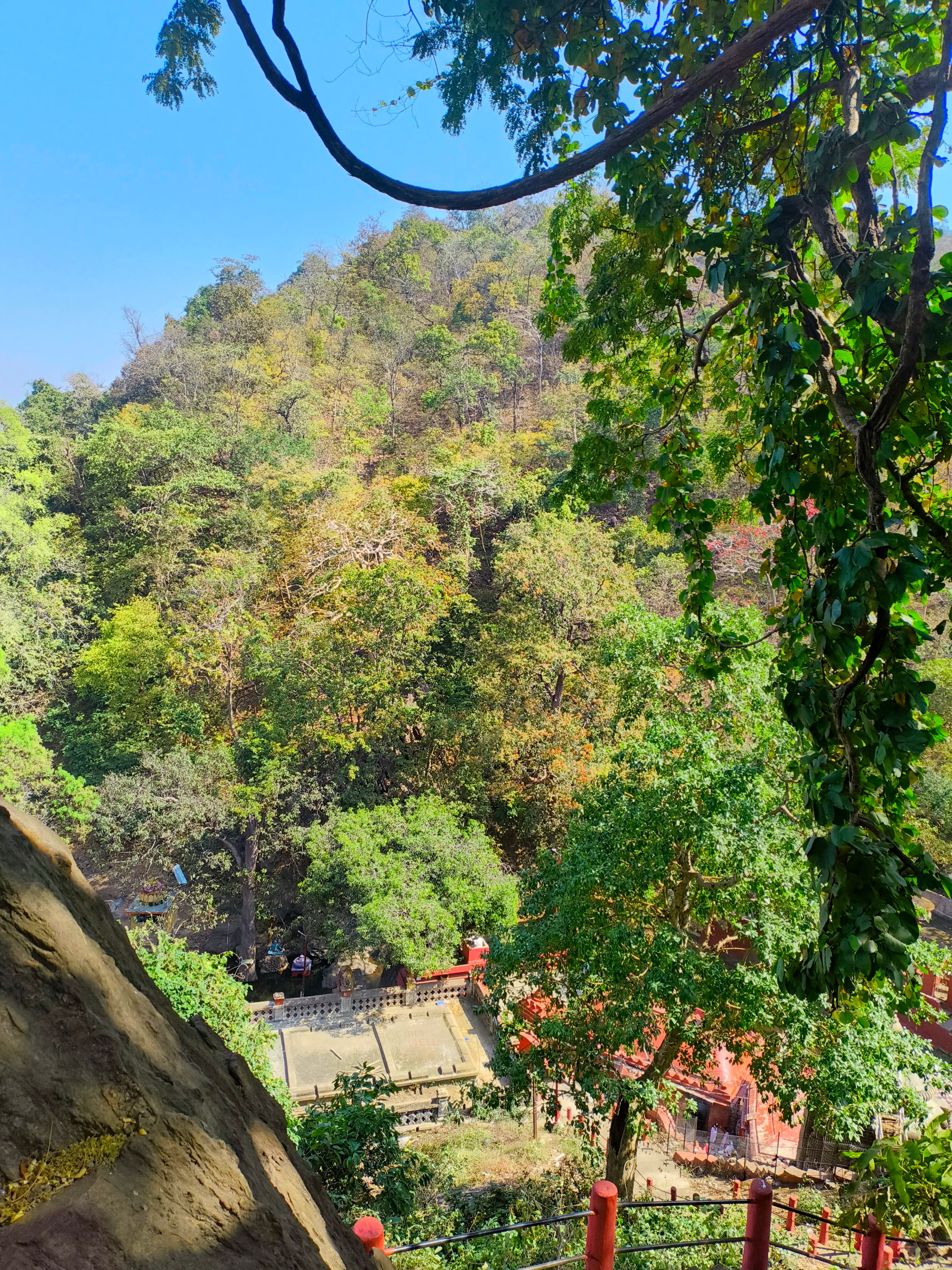
Nestled on the sacred slopes of Gandhamardan Hill in Bargarh, Odisha, the Nrusinghanath Temple is a living synthesis of nature, devotion and craftsmanship.
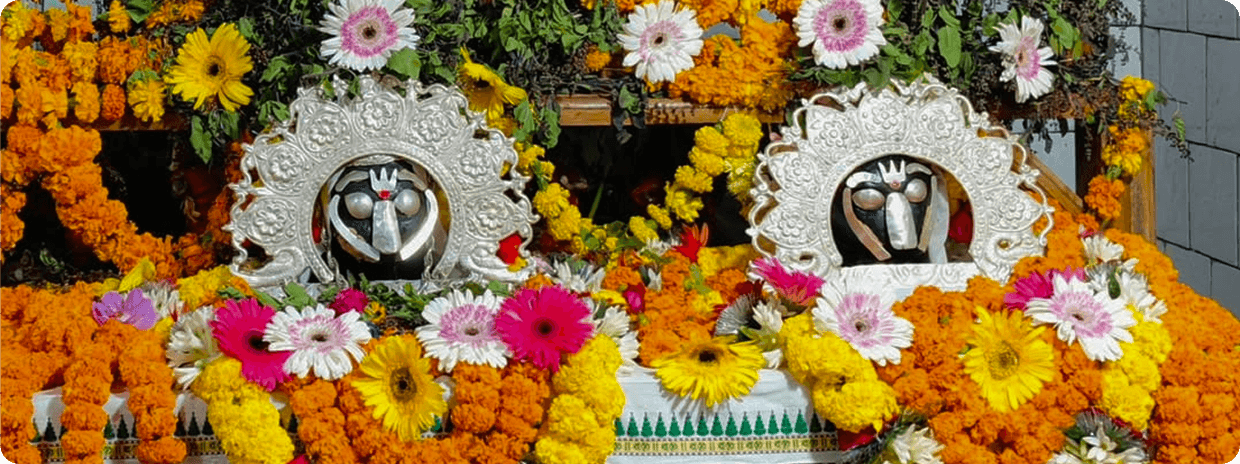
The stone shrine, sheltered by dense forest and cooled by mountain springs, honors Lord Nrusinghanath the fierce half-man, half-lion incarnation of Vishnu. Pilgrims visit year-round for worship, festivals and to experience the quiet power of this ancient sacred place.
History
Archiological Significance
Buddhist Heritage & Japanese Appreciation
The Legend of Nrusinghanath
A sacred tale of divine protection, demonic threat, and heroic courage
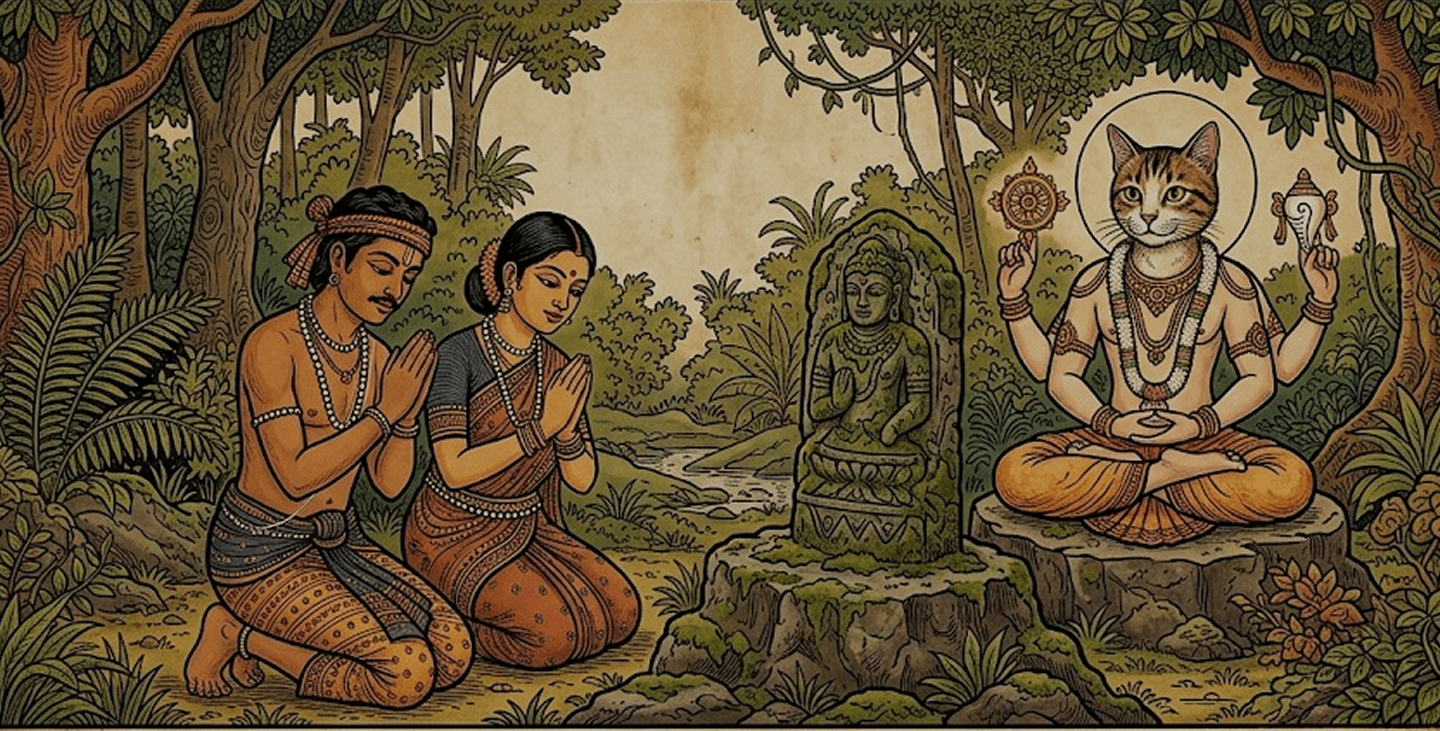
The core legend begins with Lord Vishnus incarnation as Nrusingha to protect the devotee Prahlad and to slay the tyrant demon Hiranyakashipu. Local tradition holds that after fulfilling this divine task, Nrusingha came to the emerald slopes of Gandhamardan Hill and remained there as a guardian presence.
Gandhamardan Hill
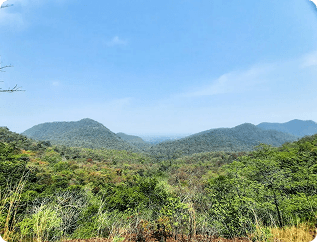
Gandhamardan Hill is both a natural treasure and a cultural landscape. Cloaked in forests rich with medicinal plants, it is sometimes called an “Ayurvedic treasure” in local parlance.
The hill’s caves, springs and trails have long drawn ascetics, scholars and herbalists. Fragments of sculpture and antiquities found in the area attest to a multi-religious past — Hindu, Buddhist and indigenous practices interwove here across centuries.
Historical Significance
Historically the hill functioned as a place of learning and retreat. Monasteries and ashrams once sheltered scholars and sages; traders and pilgrims followed ancient paths to reach its shrines.
Today, Gandhamardan continues to be valued for biodiversity, traditional medicine, pilgrimage and low-impact trekking.
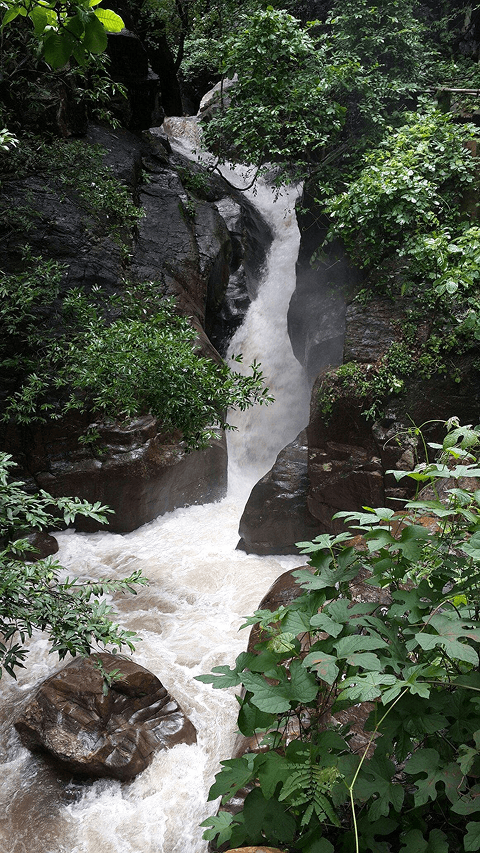
Papaharini
The sacred stream that springs from Gandhamardan and flows by the temple.
Papaharini — the sin-cleansing stream — springs from Gandhamardan and flows by the temple. Traditionally pilgrims bathe in its cool waters before entering the shrine.
It is woven into temple rites and local custom; both a practical water source and a symbol of purification.
Traditional Bathing Rituals
- Approach the stream with reverence
- Remove footwear before entering
- Immerse three times while offering prayers
- Allow water to purify body and spirit
- Proceed to the temple for darshan
Bhimdhar & Chal Dhar
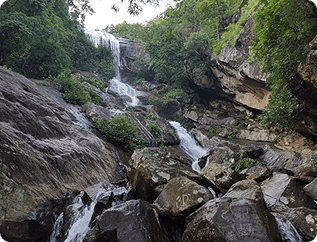
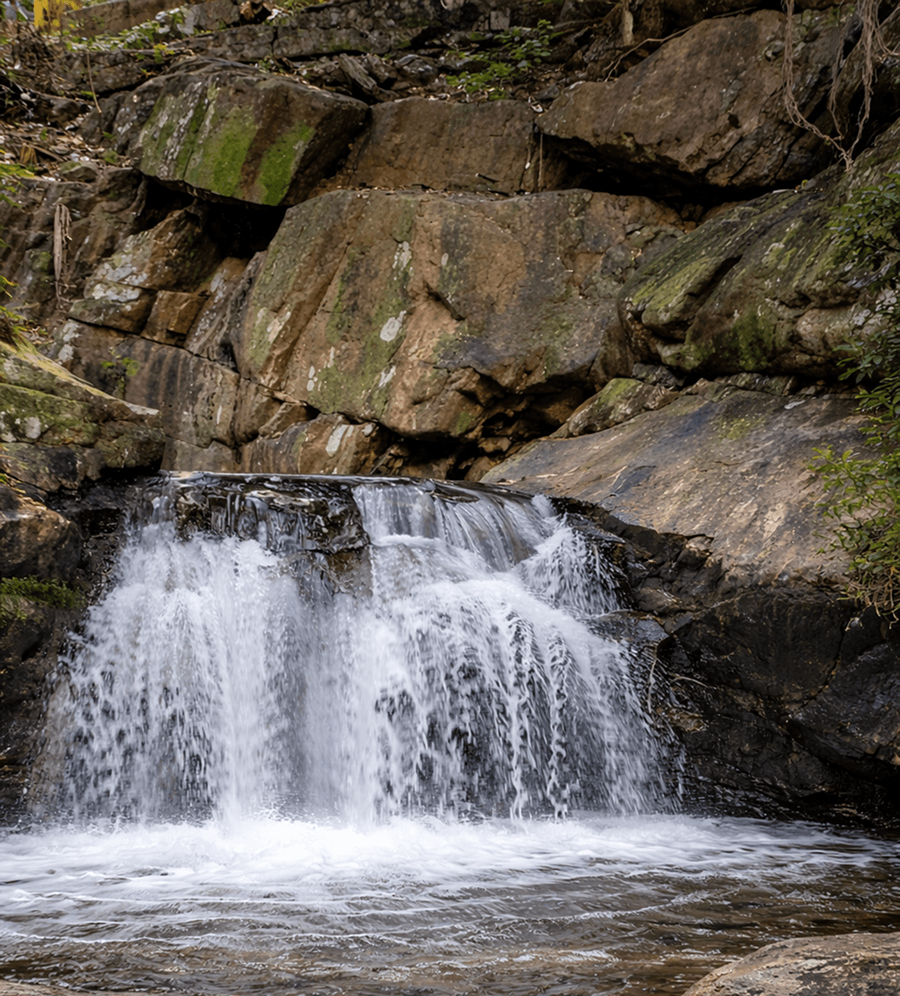
Bhimdhar is a higher waterfall (approx. 20 ft) and Chaldhar is a 10-foot fall below it. Both are within a short walk (under 1 km for Chaldhar; a longer hike for Bhimdhar).
Worship Rituals